Aquí tienes la traducción al inglés manteniendo exactamente el mismo formato:
The structures and game systems are one of the most decisive pillars in modern football. They represent that key moment when a coach moves from organizing players individually to designing a coherent collective framework, transforming tactics into a functional process that directly integrates into team performance.
Mastering this facet of training requires not only technical knowledge but also analytical ability, strategic vision, and intelligent planning of exercises. In this article, we explain how to analyze and apply structures and game systems to improve tactical understanding, collective cohesion, and team performance effectiveness.
🧠 What does it mean to work on structures and game systems?
Working on structures and game systems consists of organizing players and establishing roles, positions, and functional relationships that optimize possession, space creation, and the generation of advantages over the opponent. It’s not just about placing players on the pitch, but about creating collective dynamics that translate into effective actions during the match.
Their importance lies in enabling the team to operate as a coherent unit, make quick decisions, and maintain balance between defense and attack. A team that masters its game system can control the pace of the match and generate superiorities in different phases of play.
In summary: structures and game systems are the bridge between individual and collective tactics, and mastering them distinguishes advanced teams from those that depend solely on individual talent.
⚙️ Fundamentals for analyzing and integrating game systems
To correctly integrate a game system, it is essential to control tactical principles while adapting to the team’s level and characteristics. Below, we review the key aspects:
🔹 1. Define clear tactical objectives
Establish which phase of play you want to improve: possession, transition, pressure, or finishing.
Objectives must be achievable and consistent with the team’s identity.
Avoid introducing complex systems if the team does not understand their purpose.
🔹 2. Identify roles and relationships
Determine the positions and responsibilities of each player based on the chosen system.
This allows the creation of cooperation dynamics and maintains defensive and offensive balance.
🔹 3. Integration into training tasks
Design exercises that reproduce real game situations, respecting the spatial and functional relationships of the system.
Avoid completely separating technique from tactics: both must be trained in an integrated way.
🔹 4. Continuous analysis and adjustment
Include moments of review and reflection so players understand how to apply the system during the game.
The more aware they are of their decisions within the framework, the more effective the integration will be.
🧩 Common mistakes when working with game systems
Even experienced coaches make mistakes when implementing tactical structures. These are the most common:
Introducing complex systems without adapting to the team’s level.
Ignoring functional analysis of the opponent and the team itself.
Separating technique and tactics: players do not understand how to apply their skills in the system’s context.
Lack of feedback: players repeat mistakes if they do not receive guidance on their collective decisions.
👉 Practical tip: before applying a new system, make sure all players understand their role, responsibilities, and overall dynamics.
🧠 Strategic decisions: when and how to apply each system
Mastering theory is important, but knowing when to introduce a system and how to adapt it according to circumstances is even more crucial:
🔹 When to use possession systems
To improve ball control, quick circulation, and space creation.
When seeking to strengthen the team’s offensive identity.
🔹 When to use pressing and recovery systems
To generate defensive superiorities and quick transitions.
When the team needs to recover the ball and reorganize quickly.
The key lies in combining role clarity with tactical contextualization. Game systems aim less at rigidity and more at functional coherence and adaptability.
🏋️♂️ Exercises to integrate game systems
Below are some examples of exercises you can include in your training sessions:
Conditioned game by roles
Establish specific positions and constraints based on the game system to reinforce understanding of spaces and relationships.
Situational transitions
Simulate recovery and attacking situations, respecting the positions and responsibilities of each player within the system.
Pressing and buildup rondos
Work on breaking defensive pressure and maintaining structure, reinforcing collective coordination and quick decision-making.
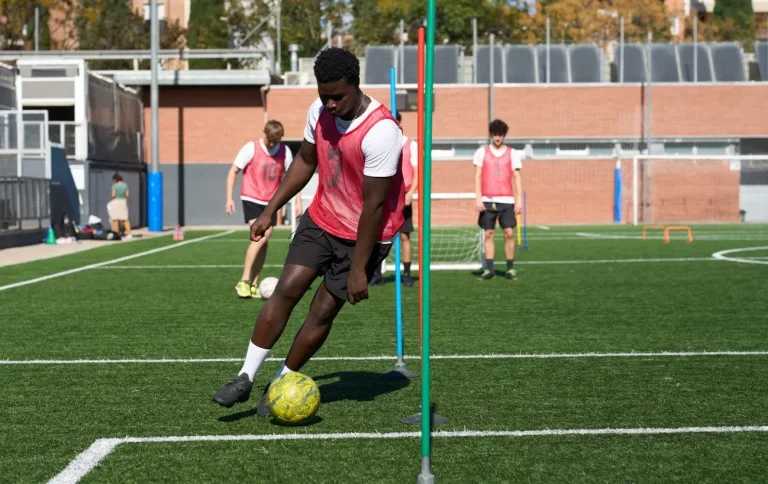
Small-sided games adapted to the system
4×4 or 5×5 games with specific objectives based on the system, allowing players to experience advantages and disadvantages within their roles.
These exercises help automate the sequence role → action → decision → adjustment, the foundation of functional work with game systems.
📈 The work on structures and systems in professional football
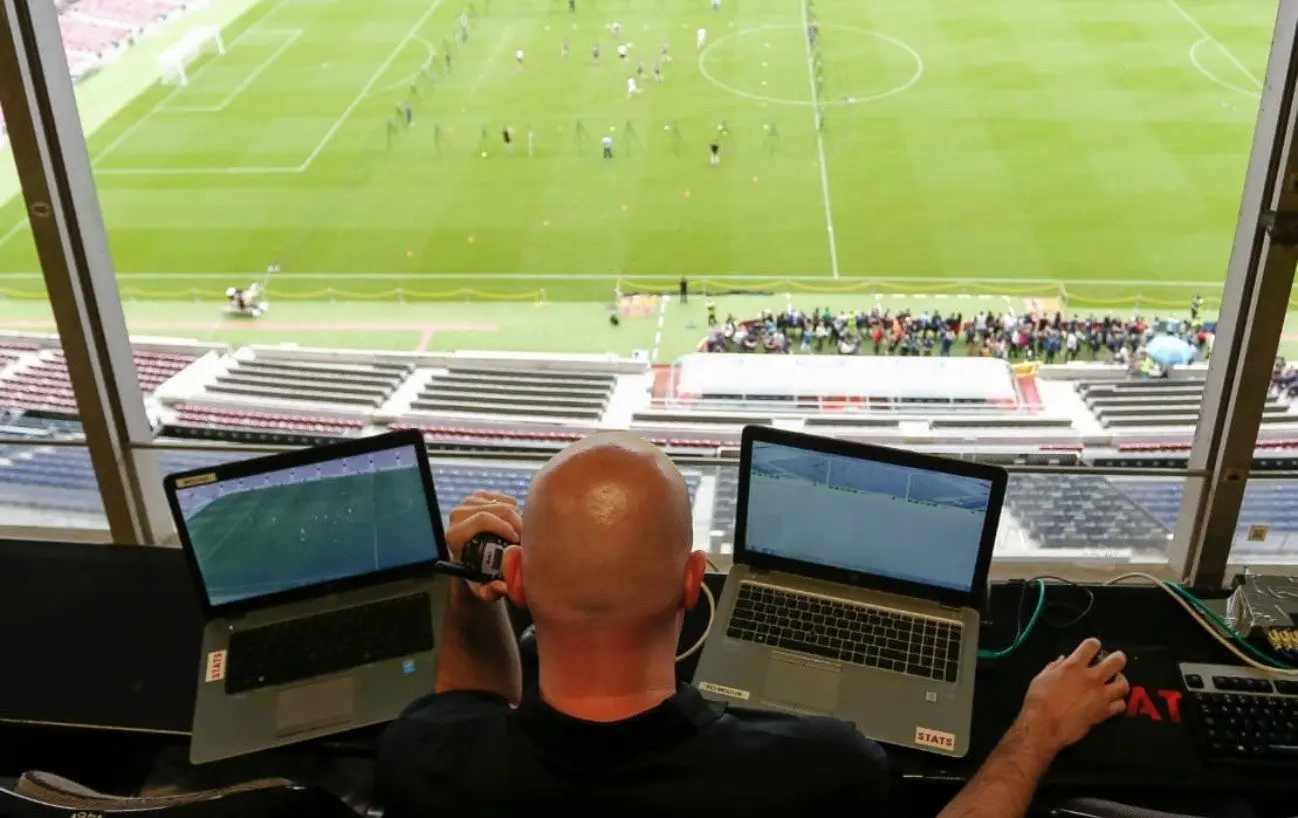
If you observe teams like Manchester City, Bayern Munich, or Real Madrid, you’ll notice they all structure their training sessions by coherently integrating game systems.
They don’t organize players randomly; instead, they study dynamics, analyze opponents, and adjust roles and spaces to optimize collective performance.
The key lies in synchronizing functional analysis, planning, and execution, accompanied by a strong ability to interpret the team’s dynamics.
In today’s football, structures and game systems are no longer just a tactical resource: they are a strategic pillar that defines match control, team cohesion, and effectiveness in attack and defense.