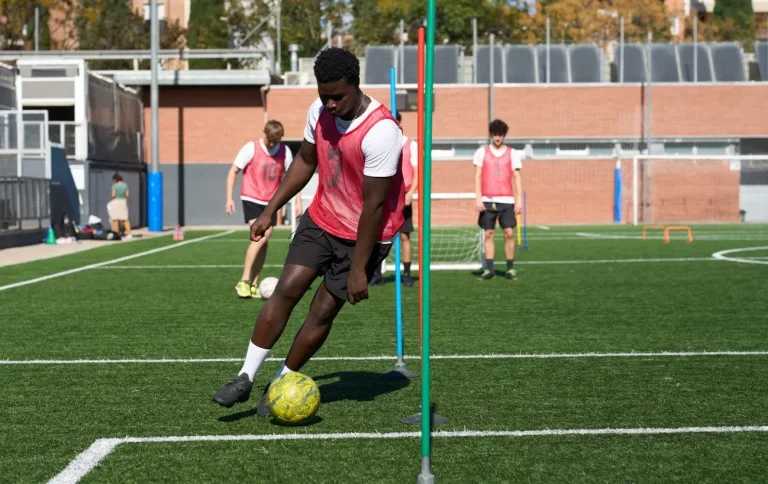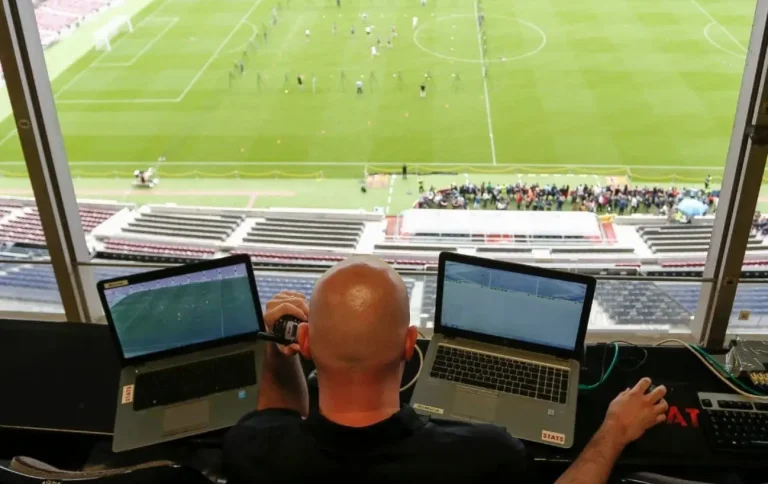

Decision-making in youth football is a key skill that differentiates average players from outstanding players. Teaching young athletes to make quick and effective decisions during the game not only improves their performance but also enhances their tactical intelligence and game-reading ability.
In this article, we will explore strategies and practical exercises for coaches and players looking to improve this fundamental skill in youth categories.
Why is decision-making important in youth football?
In youth football, players constantly face new and changing situations. Quick and accurate decision-making allows them to:
- Maintain possession of the ball ⚽
- Create goal-scoring opportunities 🎯
- Avoid mistakes that could cost the game ❌
- Develop their tactical intelligence from an early age 🧠
Training young players who not only execute technical skills but also know when and how to apply them is essential for their football development.
Factors influencing decision-making
Before training decision-making, it is important to understand the factors that affect it:
- Game perception 👀
Players must learn to observe their surroundings, anticipate movements of opponents and teammates, and identify opportunities on the pitch.
- Tactical knowledge 📚
Understanding basic concepts such as open spaces, passing lanes, and defensive pressure allows for better decision-making.
- Experience and repetition 🔄
The more game situations players experience, the better they can adapt and react efficiently.
- Emotional control 🧘
Stress and pressure can affect decision-making. Working on confidence and concentration is as important as the technical aspect.
Strategies to improve decision-making in young players
- Small-sided games with specific objectives 🎲
Mini-games are ideal for training quick decisions. For example:
- 3 vs 3 with a single objective (score a goal within a limited time)
- Matches in small spaces where each player can only touch the ball twice ⚡
These exercises encourage fast thinking, creativity, and game reading.
- Simulated game situations 🏟️
Recreating scenarios that occur in real matches helps players learn to make decisions under pressure. For example:
- Quick attack against a compact defense
- Recovering the ball in their own half and transitioning to attack
- Analysis and feedback 📝
After each session, dedicate a few minutes to analyze players’ key decisions:
- Did they choose the best passing option?
- Could they have anticipated the opponent’s movement?
- How could they improve their choice in the next situation?
- Peripheral vision exercises 👀
Perception is crucial. Some exercises include:
- Dribbling while observing signals or gestures from other players
- Games where they must react to visual and auditory stimuli
- Encourage autonomy 💪
Allowing players to make decisions without constant coach intervention develops confidence and problem-solving skills.
Practical tips for youth football coaches
- Keep sessions dynamic and fun to engage children
- Introduce modified rules that force quick thinking, such as limiting touches or setting time-based objectives
- Reinforce correct decisions rather than just punishing mistakes
- Combine technical, tactical, and cognitive aspects in each exercise
Long-term benefits of training decision-making
Working on decision-making from an early age not only improves on-field performance but also:
- Encourages critical and strategic thinking
- Increases adaptability to different playing styles
- Boosts players’ confidence and self-esteem
- Facilitates the transition to higher levels of competition