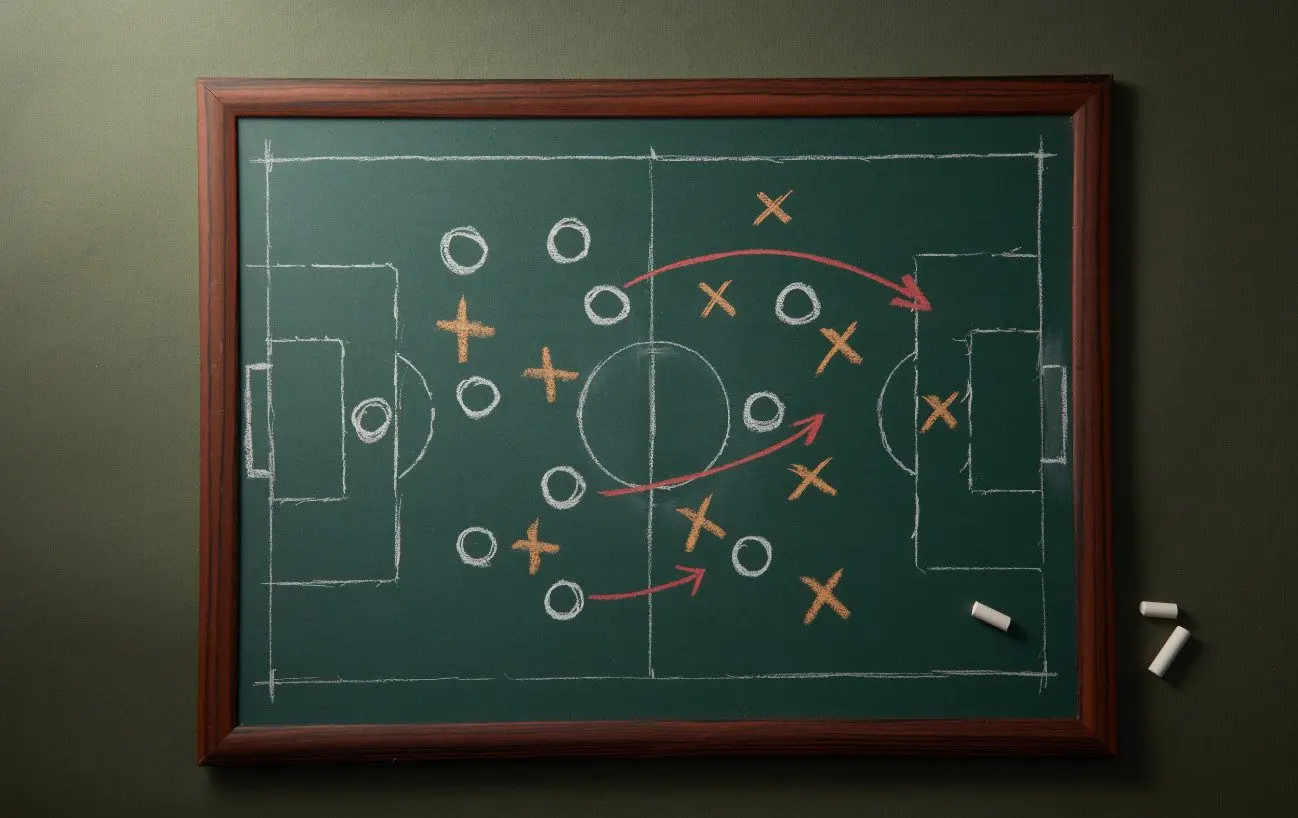
In modern football, the 1-4-2-3-1 system has established itself as one of the most widely used structures in both professional competitions and youth categories. Its popularity lies in its tactical versatility, offering a balance between defense and attack. However, mastering the defensive phase in a 1-4-2-3-1 requires planning, discipline, and a correct understanding of individual and collective roles.
In this article, we will see how to organize the team in this system, the keys to pressing, coordinated movements, and the basic principles every coach should convey to their players.
📌 Why choose the 1-4-2-3-1 system?
The 1-4-2-3-1 stands out for its ability to adapt to the opponent. In defense, it can easily shift to a 1-4-4-1-1 or even a 1-4-5-1, providing density in midfield and making it difficult for the opponent to progress.
Defensive advantages:
- Compresses the team into two lines of four.
- Double pivot protects the central area and limits opponent creativity.
- Tactical flexibility to shift depending on the match context.
- Balance between high pressing and organized mid-block defense.
🧩 Defensive roles in the 1-4-2-3-1
Defensive line (4 players)
- Fullbacks: must be disciplined in defense, prioritizing interior coverage over attacking runs.
- Center-backs: responsible for leading the line, maintaining proper spacing, and coordinating pressing.
Double pivot (2 central midfielders)
- Act as a defensive shield. One is more positional (balance) and the other can jump to press or cover spaces.
- They are key in recovery after losing possession.
Three attacking midfielders
- Wingers help close inside in defense, preventing opponent superiority in midfield.
- The central attacking midfielder assists in the initial press on the opponent’s organizing midfielder.
Forward
- First defender: channels the opponent’s ball out to the sides.
🔑 Keys to the defensive phase in 1-4-2-3-1
- Compactness between lines
- The distance between defenders and midfielders should be small (10–15 meters).
- This prevents the opponent from comfortably receiving the ball between the lines.
- Coordinated shifting
- The block moves as a unit.
- Wingers must close inside, forcing the opponent to play wide.
- Constant cover
- The fullback who steps out to press must be covered by the center-back.
- The pivot always ensures a second layer of cover.
- Mid-block defense
- The 1-4-2-3-1 is especially effective defending in a mid-block.
- Allows pressing after losing the ball and enables quick counterattacks.
- Quick defensive transitions
- After losing the ball, the team must immediately press in the loss zone.
- The double pivot is key to cutting off opponent counters.
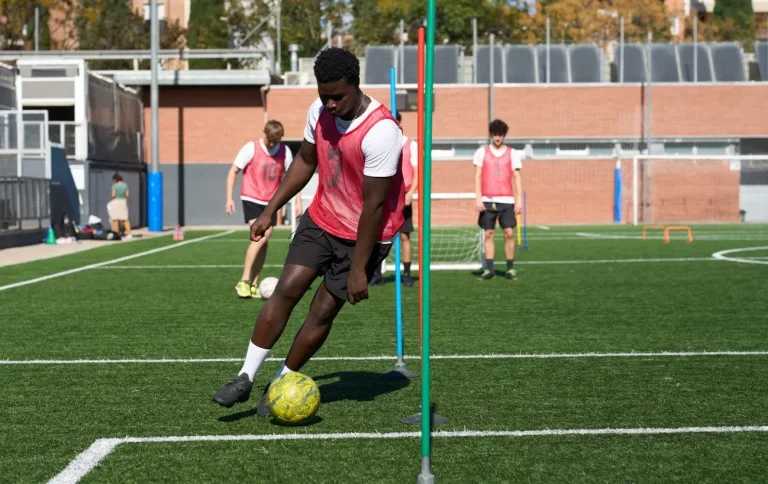
🏋️ Exercises to train defense in 1-4-2-3-1
- Small-sided game 8v8 in medium space: forces work on shifting and coverage.
- Compact block drill: defensive line and pivots versus 6 attackers, reinforcing coordination and communication.
- Transition situations: simulated loss in the opponent’s half and coordinated recovery.
- Guided pressing: forward and attacking midfielder guide the opponent’s outlet to a flank, where a 2v1 is executed.
✅ Conclusion
The 1-4-2-3-1 system is a powerful tactical tool for organizing defense in football. Its success depends on compactness, tactical discipline, and communication between lines. Training the defensive phase with specific exercises will allow the team to not only defend better but also be ready to attack after recovering the ball.